


Buy Coke (“Cocaine”): An Educational Overview of Effects, Risks, and Harm Reduction
Understanding Cocaine: What “Coke” Really Is
Buy Coke, often referred to formally as “coke,” is a powerful central nervous system stimulant derived from the leaves of the coca plant. While the term “Buy Coke” is commonly searched online, it is important to clarify from an educational perspective that cocaine is a controlled substance in most parts of the world, and its non-medical use carries significant legal and health risks.
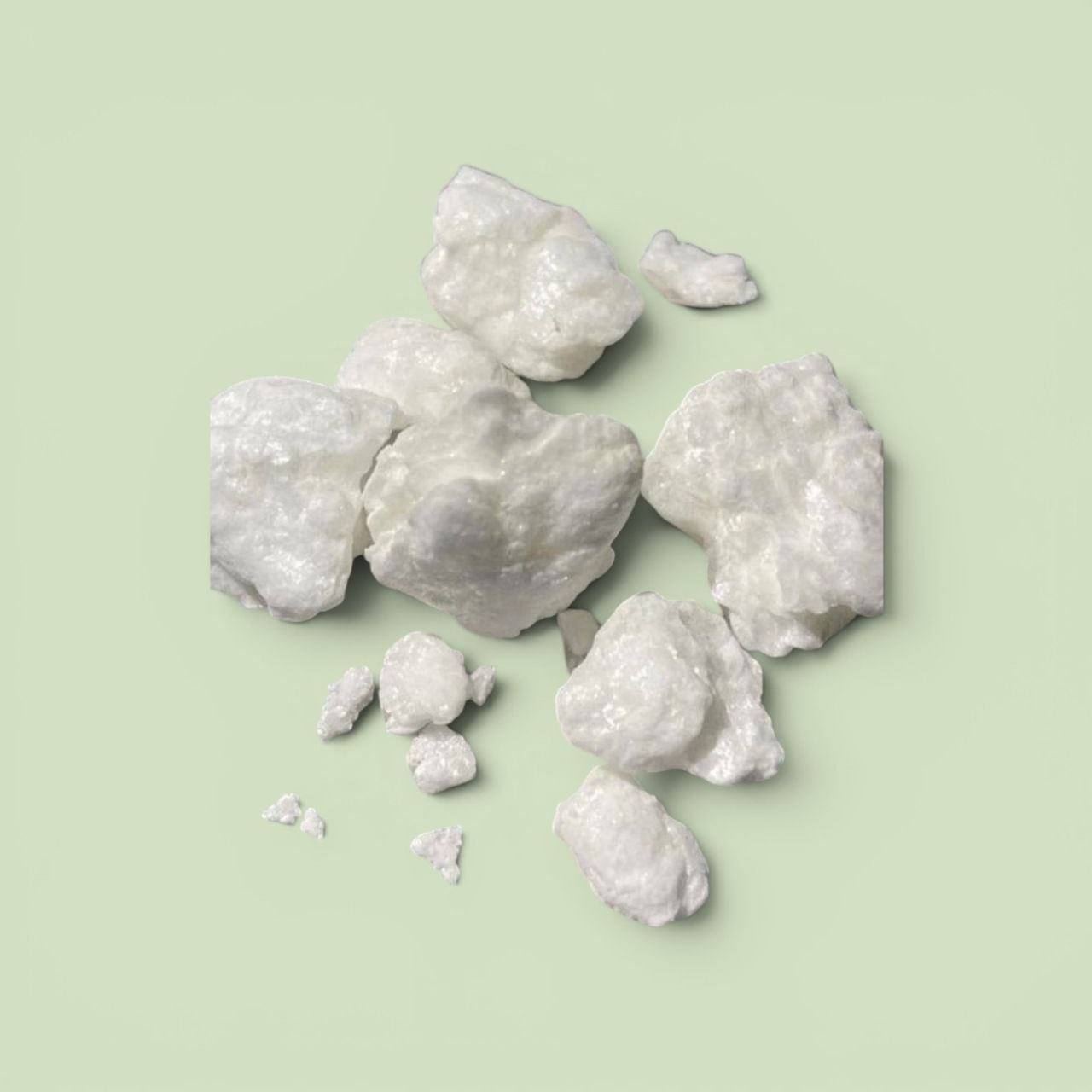
Cocaine typically appears as a fine white powder, though it may also be processed into other forms such as crack cocaine. The substance works by increasing dopamine levels in the brain, which leads to intense but short-lived feelings of euphoria, alertness, and energy. This rapid stimulation of the brain’s reward system is a major factor contributing to its high potential for misuse and addiction.
Historically, coca leaves were used in traditional practices in South America, but modern Buy Coke is a refined chemical compound with far stronger and more dangerous effects. Today, cocaine is studied primarily in medical and public health contexts, focusing on its risks, patterns of use, and impact on individuals and communities.
Short-Term Effects of Cocaine on the Body and Mind
The effects of cocaine can begin almost immediately after use, depending on the method of administration. These effects are typically intense but short-lived, often lasting between a few minutes and an hour. Users may experience heightened energy, increased confidence, and a sense of euphoria.
However, these short-term effects are often accompanied by negative symptoms. Psychologically, individuals may experience anxiety, restlessness, irritability, or paranoia. In higher doses, cocaine can lead to panic attacks, hallucinations, or aggressive behavior.
Physically, cocaine places significant strain on the body. It increases heart rate, raises blood pressure, and constricts blood vessels. These effects can elevate the risk of serious complications such as heart attack, stroke, and respiratory distress even in otherwise healthy individuals.
Long-Term Risks, Addiction, and Health Consequences
Cocaine is highly addictive due to its powerful effects on the brain’s reward system. Repeated use can lead to tolerance, meaning that individuals may require increasingly larger amounts to achieve the same effects. Over time, this can result in dependence and substance use disorder.
Long-term use of cocaine is associated with a wide range of health issues. These include cardiovascular damage, respiratory problems, neurological impairment, and mental health disorders such as anxiety and depression. Chronic use can also lead to significant lifestyle consequences, including financial instability, strained relationships, and reduced overall well-being.
One of the most serious risks is overdose. Cocaine overdose can occur when the body is overwhelmed by its stimulant effects, leading to symptoms such as chest pain, seizures, difficulty breathing, and loss of consciousness. Without immediate medical attention, overdose can be fatal.
Legal consequences are another critical factor. In many countries, possession, distribution, or manufacture of Buy Coke is illegal and can result in severe penalties, including imprisonment. Understanding these risks is an essential part of any educational discussion about cocaine.
Harm Reduction and the Role of Education
Education plays a crucial role in reducing the harms associated with cocaine. While the safest option is to avoid use entirely, providing accurate and accessible information helps individuals better understand the risks and make informed decisions.
Harm reduction strategies often focus on awareness, prevention, and access to support services. This includes understanding the dangers of combining cocaine with other substances, particularly alcohol or opioids, which can significantly increase the risk of serious health complications.
Public health initiatives also emphasize the importance of reducing stigma and encouraging individuals to seek help if needed. Treatment options, including counseling and rehabilitation programs, can support recovery and improve outcomes for those affected by substance use.
In recent years, educational efforts have expanded to include digital platforms, ensuring that accurate information is available to those searching online. By addressing common search terms like Buy Coke in a responsible and informative way, educational websites can play a key role in promoting safety and awareness.
Final Thoughts on Cocaine Awareness
Cocaine remains one of the most widely recognized stimulant substances, but it is also one of the most risky. Its short-term effects may seem appealing to some, but they are accompanied by significant physical, psychological, and legal dangers.
An educational approach that prioritizes facts, harm reduction, and responsible awareness is essential. By understanding what cocaine is, how it affects the body, and the risks involved, individuals can make more informed choices and contribute to a safer, more informed society.
| Coke(Peruvian snow) | 1g, 3.5g, 7g, 14g |
|---|
Be the first to review “Coke (Peruvian snow – 98% Purity)”
Related products

STIMULANTS

STIMULANTS

STIMULANTS
STIMULANTS

STIMULANTS

STIMULANTS


STIMULANTS
Reviews
There are no reviews yet.